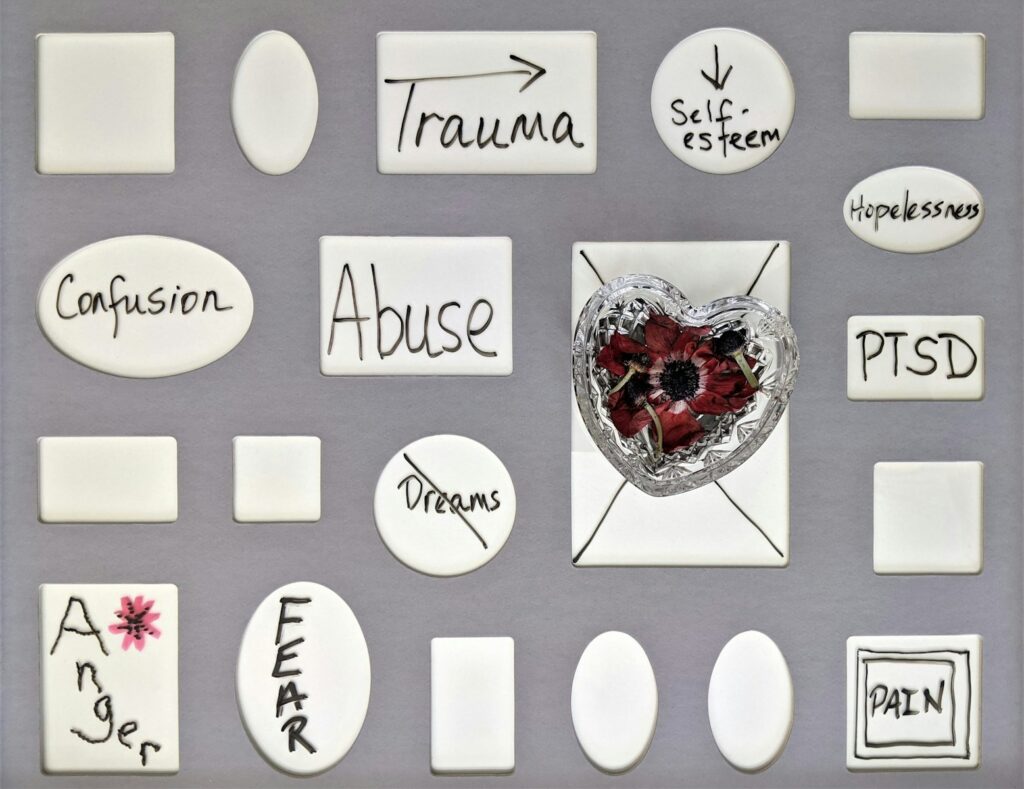
Post-Traumatic Stress Disorder (PTSD) is a long-term emotional response to a traumatic experience such as violence, abuse, combat, accidents, medical emergencies, or life-threatening events. PTSD can make it difficult to feel safe, connected, or emotionally stable. Symptoms may appear immediately or months after trauma, and without support, they may worsen over time. With compassionate, trauma-informed psychiatric care, healing and recovery are possible.
PTSD affects thoughts, emotions, behavior, and physical well-being. Symptoms often disrupt daily life and relationships.
Common PTSD symptoms include:
Flashbacks or intrusive memories
Nightmares or upsetting dreams
Avoidance of reminders of the trauma
Feeling emotionally numb or detached
Increased fear or anxiety
Hypervigilance or always feeling on guard
Irritability or emotional outbursts
Difficulty concentrating
Trouble sleeping
Negative thoughts about self or others
PTSD develops after exposure to traumatic or life-threatening events. Not everyone who experiences trauma develops PTSD, but certain experiences significantly increase risk.
Common causes include:
Physical, emotional, or sexual abuse
Military combat or frontline emergency work
Car or workplace accidents
Violence or assault
Natural disasters
Serious illness or medical trauma
Sudden loss of a loved one
Childhood neglect or emotional trauma
Professional evaluation is important if trauma-related symptoms begin interfering with your emotional or daily functioning.
Seek help if:
You relive trauma through flashbacks or nightmares
Fear or anxiety controls your life
You avoid people, places, or conversations
You feel emotionally shut down or detached
You use alcohol or substances to cope
Sleep is consistently disrupted
Your relationships are suffering
You feel hopeless or have thoughts of self-harm
Getting help is a sign of strength, not weakness.
Medications can help manage PTSD symptoms by improving mood, sleep, and emotional stability.
Common medications used in PTSD treatment include:
SSRIs: Sertraline (Zoloft), Paroxetine (Paxil)
SNRIs: Venlafaxine (Effexor)
Anti-anxiety medications: Short-term use only if needed
Prazosin: For trauma-related nightmares and sleep disturbance
Stabilizing agents: For mood and emotional regulation
Medication plans are personalized and monitored closely.
Holistic and lifestyle support can reduce emotional tension and help the nervous system recover from trauma.
Helpful holistic approaches include:
Grounding and breathing exercises
Mindfulness and emotional regulation skills
Trauma-informed stress reduction
Safe sleep recovery routines
Healthy movement for body regulation
Limiting caffeine and alcohol
Journaling and expressive therapies
Supportive trauma coaching
At Consoling Minds, we integrate emotional healing with psychiatric support.
Some people are more likely to develop PTSD based on life experiences and emotional history.
Risk factors include:
History of trauma or abuse
Military service or first responder work
Family history of mental health conditions
High stress environments
Chronic fear or insecurity
Lack of emotional support
Pre-existing anxiety or depression
Summary: Risk factors do not determine destiny. With help, anyone can heal from trauma.
Without treatment, PTSD can lead to serious emotional, social, and physical challenges.
Common complications include:
Severe anxiety or depression
Anger and relationship issues
Emotional isolation
Substance misuse
Self-destructive behavior
Chronic pain and sleep disorders
Job or academic decline
Suicidal thoughts
PTSD is treatable. Support leads to safety, stability, and emotional freedom.
PTSD commonly occurs alongside other mental health conditions.
Related conditions include:
Anxiety disorders
Depression
Substance use disorders
Bipolar disorder
Chronic pain conditions
Panic disorder
Sleep disorders
ADHD
We assess and treat all coexisting conditions for complete recovery.
While trauma cannot always be prevented, emotional damage can be reduced with resilience-based care.
Prevention strategies include:
Seeking support soon after trauma
Building coping and stress management skills
Developing emotional awareness
Staying connected with loved ones
Avoiding isolation
Getting early intervention if symptoms appear
Summary: Healing begins when trauma is acknowledged and support is accepted.