
Attention Deficit Disorder (ADD) and Attention Deficit Hyperactivity Disorder (ADHD) are neurodevelopmental conditions that affect attention, impulse control, and executive functioning. ADHD begins in childhood but often continues into adolescence and adulthood. Many individuals go undiagnosed for years, leading to frustration, poor focus, emotional overwhelm, and problems with organization or follow-through. With the right diagnosis and treatment, individuals with ADHD can thrive at school, at work, and in everyday life.
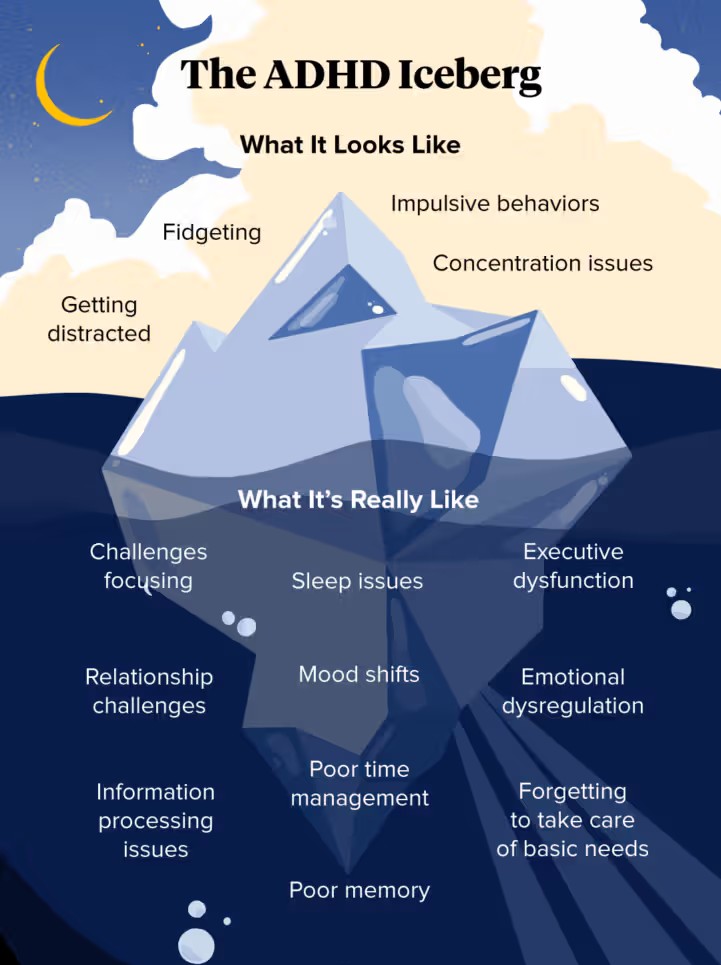
ADHD symptoms vary from person to person and may appear as inattentiveness, hyperactivity, impulsivity, or a combination of these traits.
Common symptoms include:
Difficulty focusing or staying on task
Problems with organization or time management
Forgetting daily responsibilities or losing items
Restlessness or difficulty sitting still
Frequent interruptions in conversation
Trouble completing projects
Emotional sensitivity or mood swings
Procrastination and overwhelm
Difficulty following instructions
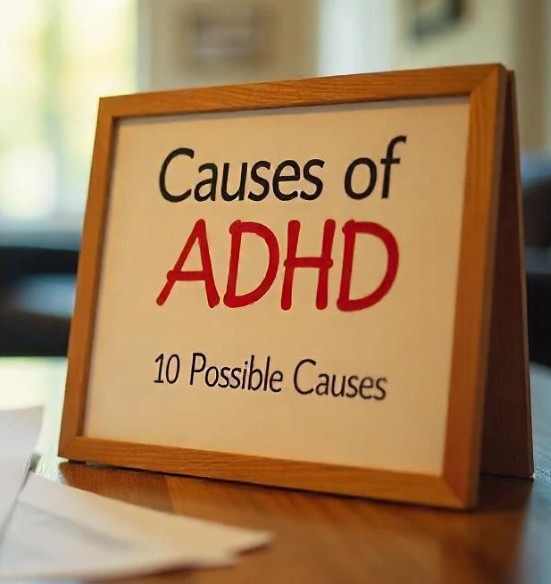
The exact cause of ADHD is not fully understood, but research shows it involves a combination of biological and environmental factors.
Common contributing factors include:
Genetics and family history
Neurochemical differences in the brain
Premature birth
Low birth weight
Prenatal exposure to alcohol, tobacco, or drugs
Early childhood exposure to environmental toxins
Brain development differences
If symptoms affect your daily life, relationships, school, or work performance, it may be time to seek a professional evaluation.
Consider scheduling an ADHD assessment if you experience:
Persistent trouble focusing or finishing tasks
Chronic disorganization or forgetfulness
Impulsive decisions that cause problems
Emotional overwhelm or irritability
Ongoing productivity challenges
Low self-esteem or frustration with daily life
A child’s behavioral concerns affecting school performance
Getting diagnosed can provide clarity and open the door to the right support.

Medication is one of the most effective treatment options for ADHD and can improve focus, reduce impulsivity, and enhance daily functioning.
Common ADHD medications include:
Stimulants: Methylphenidate (Ritalin, Concerta), Amphetamine salts (Adderall, Vyvanse)
Non-stimulants: Atomoxetine (Strattera), Guanfacine (Intuniv), Clonidine (Kapvay)
Adjunct medications: Used when anxiety, sleep, or mood issues are also present
Medication plans are personalized and carefully monitored for safety and effectiveness.
In addition to medication, lifestyle and behavioral strategies can improve ADHD symptoms and overall well-being.
Helpful holistic approaches include:
Structured routines and time management systems
Nutrition and balanced meals to maintain energy
Exercise to increase focus and mood
Sleep hygiene plans
Mindfulness, breathing, or grounding techniques
Reducing digital distractions
Omega-3 supplements (if appropriate)
Behavioral coaching and accountability strategies
A whole-person approach often leads to better long-term outcomes.

Certain factors may increase the likelihood of ADHD.
These include:
Family history of ADHD
Learning disorders or developmental delays
Chronic stress during childhood
Substance exposure during pregnancy
History of head trauma or neurological conditions
Summary: These risk factors may increase vulnerability but do not guarantee ADHD. Evaluation is essential for accurate diagnosis.
Untreated ADHD can lead to emotional, social, and professional challenges.
Complications may include:
Academic or job performance struggles
Low self-confidence and frustration
Chronic stress or burnout
Relationship conflicts
Risk-taking behavior
Substance misuse
Anxiety or depression
Early treatment can prevent these challenges and improve life satisfaction.

Many people with ADHD also experience other mental health or learning conditions.
Common coexisting conditions include:
Anxiety disorders
Depression
Oppositional Defiant Disorder (ODD)
Learning disabilities
Autism spectrum disorder
Sleep disorders
Substance use disorders
Identifying and treating coexisting conditions is an important part of a successful treatment plan.
There is no guaranteed way to prevent ADHD, but early recognition and consistent support can improve outcomes.
Helpful supportive strategies include:
Early behavioral support for children
Healthy prenatal care
Reducing environmental toxin exposure
Consistent family routines
Emotional and academic support
Encouraging positive coping skills
Summary: Prevention focuses on reducing risks and building emotional resilience, especially in childhood.