
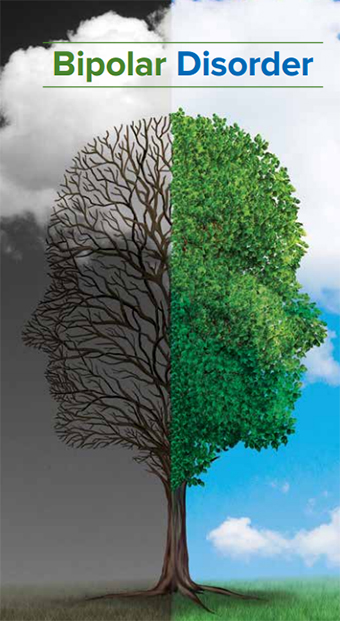
Bipolar disorder is a mood disorder that causes extreme shifts in energy, mood, behavior, and ability to function. These mood episodes range from emotional highs (mania or hypomania) to emotional lows (depression). Bipolar disorder affects millions of adults and often begins in late adolescence or early adulthood. With the right diagnosis and treatment, individuals with bipolar disorder can manage symptoms, stabilize mood, and live balanced and fulfilling lives.

Bipolar disorder symptoms vary depending on the type of mood episode a person is experiencing.
Symptoms of manic or hypomanic episodes:
Increased energy or reduced need for sleep
Racing thoughts or fast speech
Feeling unusually confident or euphoric
Impulsiveness or risky behavior
Irritability or agitation
Trouble concentrating
Starting multiple tasks but finishing none
Symptoms of depressive episodes:
Persistent sadness or hopelessness
Loss of interest in daily activities
Low energy or fatigue
Changes in sleep patterns
Difficulty focusing or making decisions
Feelings of worthlessness or guilt
Thoughts of self-harm or suicide
The exact cause of bipolar disorder is not fully known, but research suggests a combination of genetic, biological, and environmental factors.
Possible contributing causes include:
Genetic predisposition or family history
Neurochemical imbalances in the brain
Traumatic life events or chronic stress
Substance use or emotional instability
Brain structure differences

Bipolar disorder requires medical attention, especially when symptoms affect safety or daily functioning.
Seek evaluation if you experience:
Extreme mood swings that disrupt life
Periods of intense energy followed by deep fatigue
Risky or impulsive behavior
Difficulty maintaining work or relationships
Depressive episodes lasting weeks
Frequent emotional instability
Thoughts of suicide or self-harm
Early diagnosis and treatment can prevent worsening symptoms and improve long-term stability.

Medication is often a key part of bipolar disorder treatment to stabilize mood and prevent relapses.
Common treatment options include:
Mood stabilizers: Lithium, lamotrigine (Lamictal)
Antipsychotics: Quetiapine (Seroquel), Olanzapine (Zyprexa), Aripiprazole (Abilify)
Antidepressants (with caution): Used only when combined with mood stabilizers
Benzodiazepines (short-term): For severe agitation or insomnia
Medication plans are personalized and closely monitored to ensure safety and effectiveness.
Lifestyle support and holistic strategies can significantly improve overall mood stability and emotional health.
Helpful holistic approaches include:
Consistent sleep routine
Regular exercise to improve mood regulation
Mindfulness and meditation for emotional control
Limiting caffeine, alcohol, and substance use
Stress reduction and grounding techniques
Daily routine planning
Supportive counseling or therapy collaboration
Omega-3 supplements if appropriate

Several factors may increase the risk of developing bipolar disorder.
Common risk factors include:
Family history of bipolar disorder
Trauma or major life stress
Substance use
Neurological conditions
Seasonal or hormonal changes
Summary: Having risk factors does not guarantee bipolar disorder, but awareness helps in early diagnosis and care.
Without treatment, bipolar disorder can impact emotional, social, and physical health.
Possible complications include:
Job or academic difficulties
Financial problems due to impulsive decisions
Relationship strain or isolation
Substance abuse
Anxiety or depression
Legal or safety issues
Suicide risk
Early intervention reduces complications and improves quality of life.

Bipolar disorder is commonly linked with other mental health conditions.
These may include:
Anxiety disorders
ADHD
Post-traumatic stress disorder (PTSD)
Substance use disorders
Eating disorders
Sleep disorders
Personality disorders
Treating coexisting conditions leads to better overall outcomes.
Bipolar disorder cannot always be prevented, but symptom management and emotional stability can be improved with proactive care.
Helpful strategies include:
Early recognition of warning signs
Consistent treatment and medical follow-up
Avoiding substance use
Maintaining sleep and daily routines
Stress management techniques
Healthy support system
Ongoing therapy or coaching
Summary: Prevention focuses on reducing episode triggers and building long-term emotional resilience.
